
- [email protected]
- Availability Location: Greece
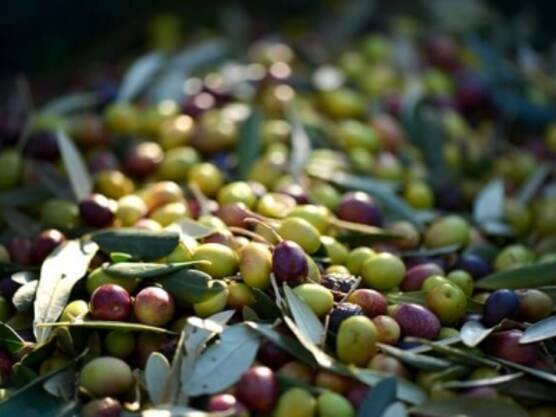
The olive tree has been prominent since antiquity and is widely considered one of the most vital trees in human history, providing a fundamental source of nourishment. For the Greeks in particular, it holds supreme cultural and historical importance, as its cultivation roots back to ancient Greece. By harvesting its fruit, people produced olive oil, gradually discovering its diverse uses and exceptional value.
Over the centuries, olive oil production methods have evolved significantly alongside advancements in technology. In ancient times, despite the lack of modern machinery, people followed a comprehensive and structured process for oil extraction.
Initially, olives were harvested by hand. Workers shook the branches and spread the fallen fruits to dry, preventing damage from trapped heat. Next, twigs and leaves were meticulously removed. At night, the harvested olives were covered with salt and placed in specialized mills to prepare them for pressing.
The earliest mills consisted of a large millstone that rolled inside a stone basin containing the olives, crushing them to extract the oil. However, this primitive technique had a major flaw: it crushed the olive pits along with the flesh, which often caused the olive oil to spoil quickly.
To overcome this issue, the Greeks invented a more sophisticated type of mill called the Trapetum (Trapitis). In this device, a pair of circular millstones rotated around a fixed central beam inside a stone basin. The gap could be adjusted precisely so that the flesh was crushed into a paste while leaving the pits intact, successfully separating the juice without ruining its quality.
After the initial crushing, the olive paste was soaked in hot water and subjected to a second round of pressure using a mechanical press. Between the first and second pressing stages, the paste was often placed on woven mats (rugs) slightly elevated from the ground to drain away the bitter liquid compounds. The resulting mixture of oil and vegetable juices was then collected in large vessels to settle ("rest"). Each stage of pressing yielded different grades of oil, which were designated for various purposes, including cooking, medicine, and religious rituals.
In modern times, the methods of producing olive oil have transformed dramatically, maximizing both efficiency and quality control.
Today, harvesting can be performed using specialized mechanical harvesters, motorized shaking olive tree shakers, or traditional hand-picking. Once harvested, the olives are transported to modern processing plants as quickly as possible. This shipment is carried out in well-ventilated plastic crates to prevent fermentation and the growth of mold, which could degrade the oil's quality.
Upon arriving at the mill, the olives are emptied into a large metal hopper and guided to a de-leafer. Here, a powerful air current separates the leaves and debris from the fruits. The olives then move along a conveyor belt to a washing system, where they are thoroughly cleaned of foreign matter like soil and dust.
Next, the clean olives are ground into a fine paste using modern stainless steel hammer mills or blade grinders. This paste is then transferred to a malaxer (softener), where it is slowly churned—often with the controlled addition of warm water. During this malaxation process, tiny oil droplets begin to coalesce (merge) and separate from the solid olive mass.
In the final stage, the mixture passes through a high-speed centrifuge (decanter). This machine separates the precious olive oil from the solid pomace (pits and skin) and remaining moisture based on density. The freshly extracted olive oil initially appears cloudy because its natural micro-substances are still suspended and unfiltered, retaining its raw, authentic flavor profile.