
- [email protected]
- Availability Location: Greece
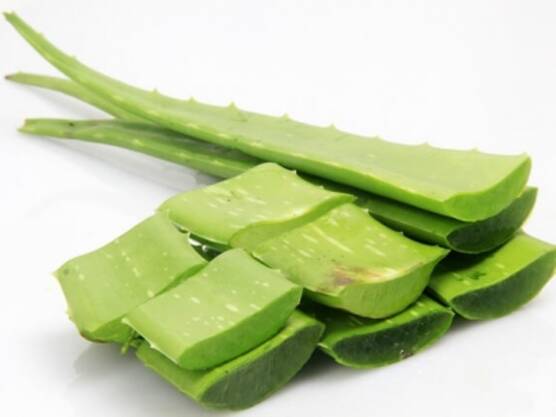
Aloe vera, often referred to simply as aloe or genuine aloe, is widely celebrated as a medicinal plant. Native to North Africa, the Canary Islands, and Cape Verde, this resilient succulent thrives in arid regions and is widely distributed across the African continent. In recent years, driven by a growing global demand for its therapeutic benefits, commercial cultivation of Aloe vera has also expanded significantly in Greece.
When an Aloe vera leaf is cut or processed, it secretes two distinct liquids, each possessing entirely different properties and effects:
Aloe vera is rich in essential bioactive compounds, including polysaccharides, anthraquinones, and lectins, which account for its remarkable therapeutic characteristics. Today, it is highly recommended in both alternative medicine and as a staple in first-aid kits.
Primarily, the inner pulp and gel are used externally to accelerate the healing of wounds and minor burns. It offers immediate relief from skin injuries and chronic conditions such as eczema, psoriasis, and dermatophytosis (ringworm). The gel forms a protective layer over the skin, soothing inflammation while reducing the risk of bacterial infection.
In modern wellness, Aloe vera is increasingly consumed orally. Its precious juice has been shown to soothe digestive tract discomfort and ease various stomach disorders. Furthermore, ongoing research suggests it supports cardiovascular health and may assist in regulating blood sugar levels for individuals managing Type 2 diabetes.
The medicinal use of Aloe vera spans millennia. Both the ancient Greeks and Romans relied heavily on the plant to dress and heal battle wounds. Its fame was such that Alexander the Great reportedly used aloe extensively to treat his soldiers' wounds during his multi-year military campaigns across Asia. Later, during the Medieval period, the bitter yellow sap extracted from the leaves became widely traded and utilized as a standard laxative.